Archives
- 2026-09
- 2026-08
- 2026-07
- 2026-06
- 2026-05
- 2026-04
- 2026-03
- 2026-02
- 2026-01
- 2025-12
- 2025-11
- 2025-10
- 2025-09
- 2025-04
- 2025-03
- 2025-02
- 2025-01
- 2024-12
- 2024-11
- 2024-10
- 2024-09
- 2024-08
- 2024-07
- 2024-06
- 2024-05
- 2024-04
- 2024-03
- 2024-02
- 2024-01
- 2023-12
- 2023-11
- 2023-10
- 2023-09
- 2023-08
- 2023-06
- 2023-05
- 2023-04
- 2023-03
- 2023-02
- 2023-01
- 2022-12
- 2022-11
- 2022-10
- 2022-09
- 2022-08
- 2022-07
- 2022-06
- 2022-05
- 2022-04
- 2022-03
- 2022-02
- 2022-01
-
br Materials and methods br Results
2025-02-15
Materials and methods Results Discussion In this study, the orphan receptor GPR25 was cloned from several representative vertebrate species including zebrafish. Although the overall amino what is peroxidation sequence identity among these species is not high (38–52%), our synteny analysis
-
The crucial role of AP
2025-02-15
The crucial role of AP-1 in establishing and maintaining cell type-specific gene expression programs and cell identity is further apparent during reprogramming of mouse embryo fibroblasts (MEFs) into iPSCs with either Oct4/Sox2/Klf4/cMyc (OSKM ) factors , or chemicals . Using ATAC-seq to profile ch
-
Serum concentrations of acute phase proteins APP and of
2025-02-15
Serum concentrations of acute phase proteins (APP) and of antioxidants have proved to be clinically useful biomarkers of pyometra in different species, including bitches, cows and mares [[11], [12], [13], [14], [15]]. Acute phase proteins are being increasingly used in both human and veterinary medi
-
Based on structure activity relationship of several SARM
2025-02-15
Based on structure activity relationship of several SARM templates, Ligand Pharmaceuticals chose LGD2226 as their first clinical candidate (Miner et al., 2007). Although LGD2226 demonstrated myo- and osteo-anabolic activity and maintenance of sexual function in various preclinical models, the develo
-
In conclusion we demonstrated that in
2025-02-15
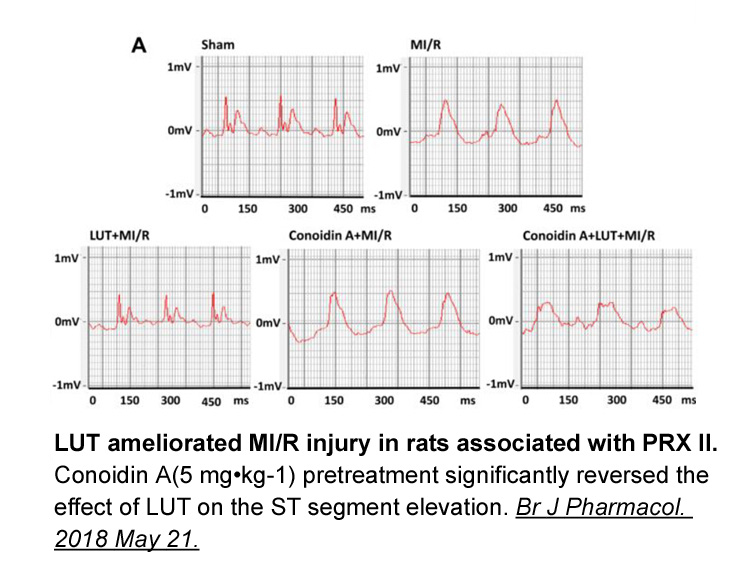
In conclusion, we demonstrated that, in the skeletal muscle of rats with T1DM, CRBN levels increased and AMPK, Akt, GLUT4, PGC-1α, and FNDC5 levels decreased, resulting in increased fasting glucose levels. Aerobic exercise training decreased levels of CRBN, which was possibly mediated by AMPK, Akt,
-
Ro 32-3555 br Acknowledgements This work was supported
2025-02-15
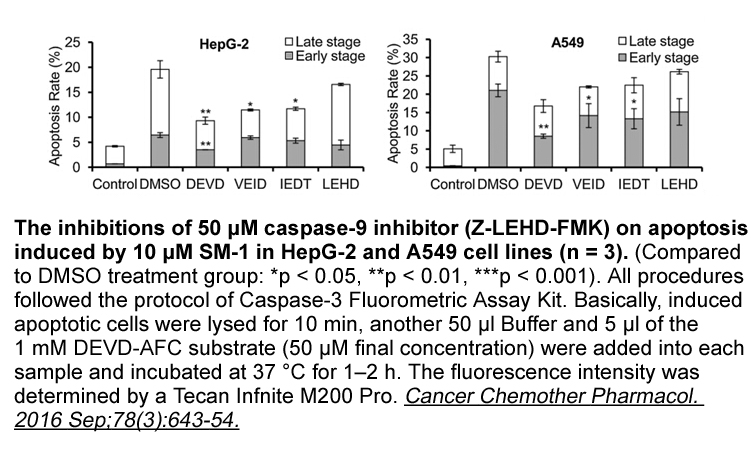
Acknowledgements This work was supported by Programme Grants from the MRC and the Wellcome Trust (SGC-C and MF). CB was in receipt of a Marie Curie Intra-European Fellowship during part of this work. We thank past and present members of our group for numerous valuable discussions throughout these
-
br Introduction Clinical manifestations of
2025-02-15

Introduction Clinical manifestations of Alzheimer's disease (AD) are mainly characterized by progressive intellectual deterioration, memory impairment, cognitive impairment, and psychiatric symptoms. The pathogenesis of AD remains unclear, mainly containing genetic factors, neurotransmitter disor
-
Azaserine synthesis The extent to which GPCR oligomerization
2025-02-15
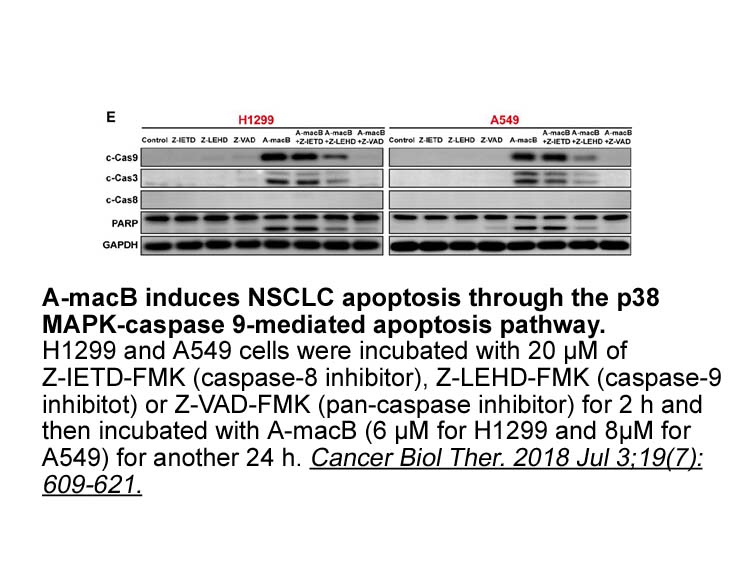
The extent to which GPCR oligomerization is a regulated process still remains unclear. Reported effects of ligands on both GPCR homo- and heteromers are highly variable and depend on GPCR subtypes and the specific ligand used. According to our data, chronic treatment of mice with both paroxetine or
-
The lanthanide series of chemical
2025-02-14
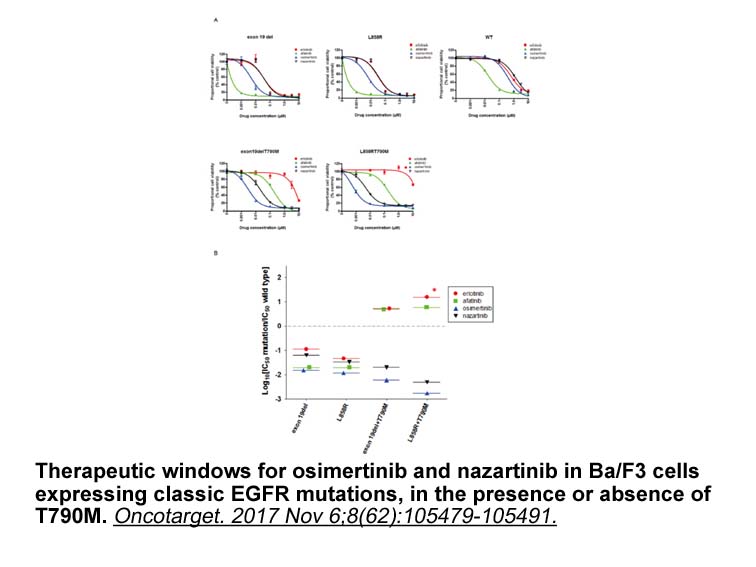
The lanthanide series of chemical elements comprises the fifteen metallic chemical elements with atomic numbers 57 through 71, from lanthanum to lutetium. Though originally described as ‘‘rare earths’’ because of their natural occurrence as metal oxides, they are not particularly rare. The lanthanid
-
Finasteride has been shown to be a mechanism
2025-02-14

Finasteride has been shown to be a mechanism-based inhibitor of 5AR-2 [9]. Finasteride acts as an alternate substrate for 5AR-2 and is initially bound in an extremely stable enzyme-bound NADP-dihydrofinasteride adduct which is ultimately processed to dihydrofinasteride. The NADP-dihydrofinasteride a
-
Finasteride has been shown to be a
2025-02-14
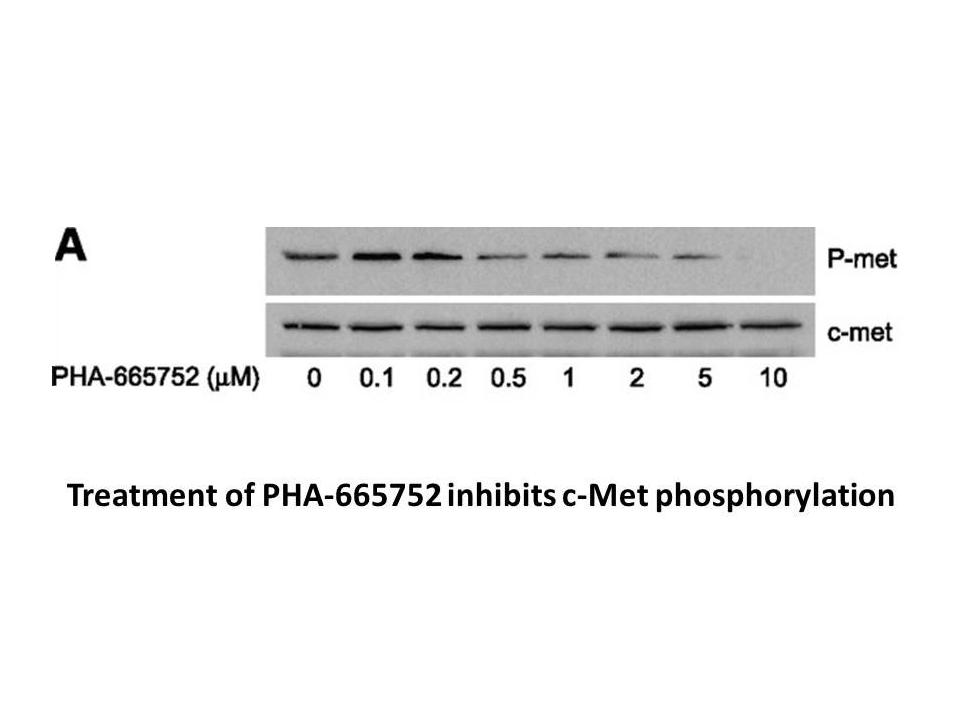
Finasteride has been shown to be a mechanism-based inhibitor of 5AR-2 [9]. Finasteride acts as an alternate substrate for 5AR-2 and is initially bound in an extremely stable enzyme-bound NADP-dihydrofinasteride adduct which is ultimately processed to dihydrofinasteride. The NADP-dihydrofinasteride a
-
Aminophylline Moreover our present work suggests that AXL
2025-02-14

Moreover, our present work suggests that AXL could be a modulator of sunitinib response, at least for cell lines that present high endogenous levels of this RTK activation, since we observed an increased responsiveness to sunitinib in Aminophylline activated with AXL receptor ligand. A role for AXL
-
br Conclusion br Acknowledgments This research has
2025-02-14
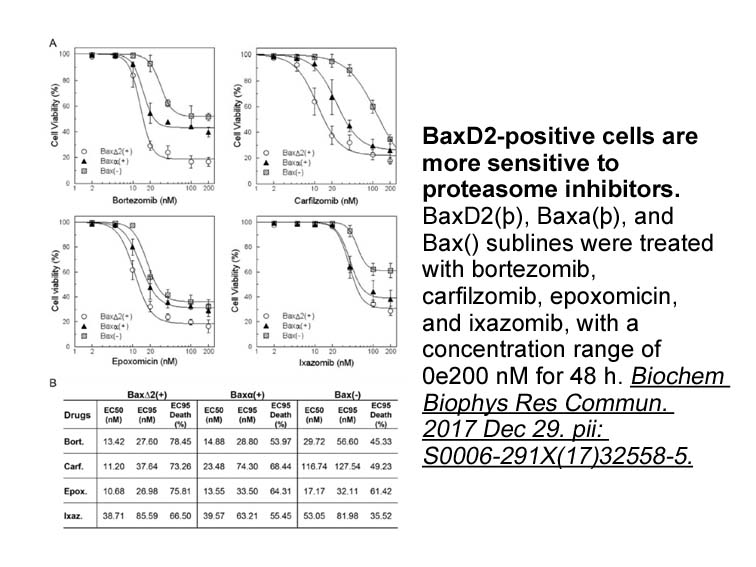
Conclusion Acknowledgments This research has been supported by the Ratchadaphiseksomphot Endowment Fund 2013 of Chulalongkorn University (CU-56-341-AS) and the Ratchadapiseksompotch Fund (RA55/22), Faculty of Medicine, Chulalongkorn University. The authors commemorate the 100th Anniversary of
-
About three weeks later the patient visited our outpatient
2025-02-14
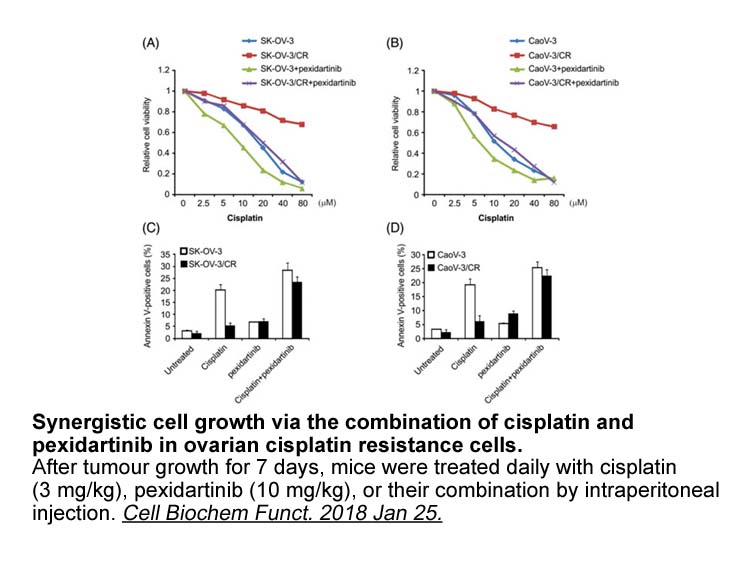
About three weeks later, the patient visited our outpatient clinic complaining of gingival bleeding and pus discharge. In clinical examination bone exposure was observed in both mandibular posterior regions and bone necrosis had developed surrounding the #35=37 and 46, 47 implants installed 6 years
-
Maynard et al demonstrated that
2025-02-14
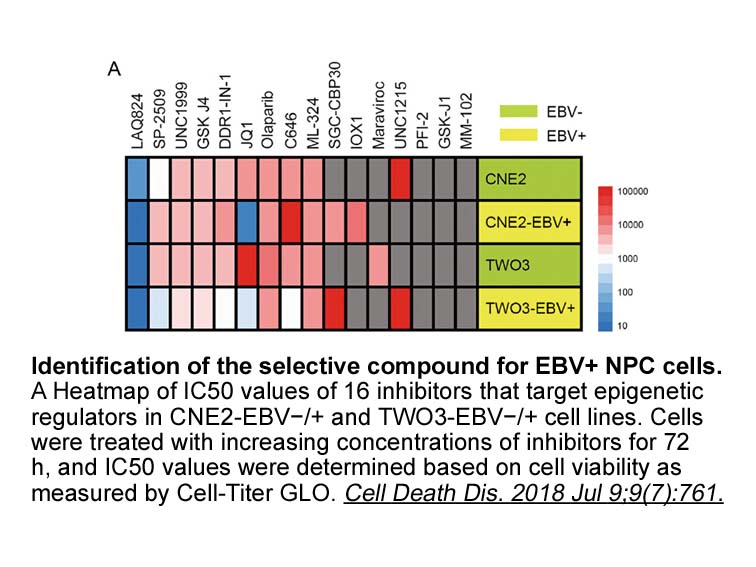
Maynard et al. [54] demonstrated that serum levels of sFlt-1 were five times higher in pregnant women with PE than in normotensive women; as a consequence, VEGF and PlGF levels were found to be proportionally reduced in these women [54]. The literature confirms that there is a sharp increase in sFlt
8038 records 47/536 page Previous Next First page 上5页 4647484950 下5页 Last page